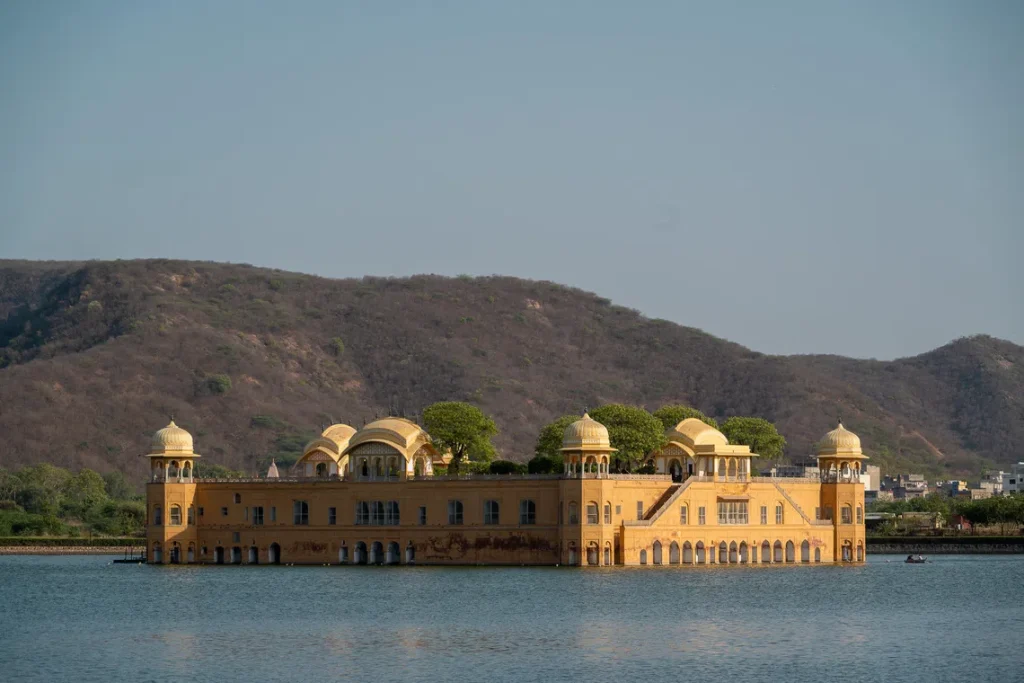
To explore the historic sites of India—one of the world’s four ancient civilizations—one must head north. Between the 12th and 18th centuries, dynasties such as the Delhi Sultanate and the Mughal Empire established themselves in the Indus and Ganges river basins; these powers far surpassed neighboring states in both political strength and economic prosperity, leaving behind a rich historical and cultural legacy. Centuries of construction across these dynasties produced a wealth of stone carvings and architectural complexes—including forts, palaces, and mausoleums—that blend Islamic, Indian, and Persian cultural elements. The states of Rajasthan and Uttar Pradesh offer the most representative examples of this heritage.
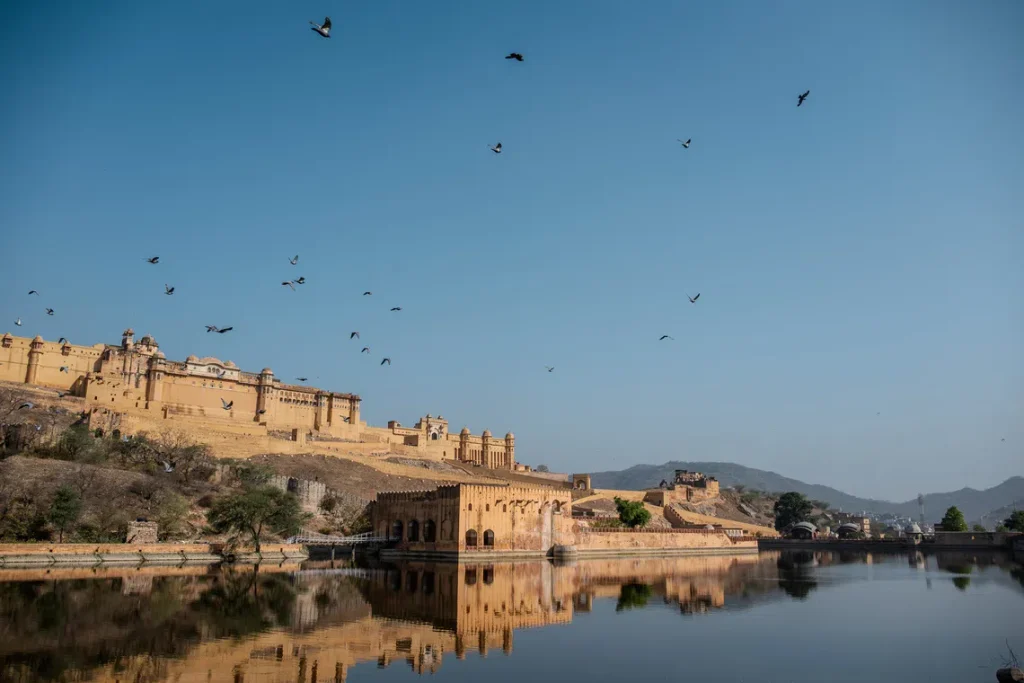
Rajasthan is world-renowned for its spectacular forts. Perched on a hillside, the Amber Fort houses the Sheesh Mahal (Mirror Palace), where walls inlaid with glass and mineral stones create a dazzling effect, reflecting thousands of points of light from the glow of a single candle. Standing amidst the waters of a lake is the Jal Mahal (Water Palace); this five-story structure reveals only its top two levels when water levels rise.
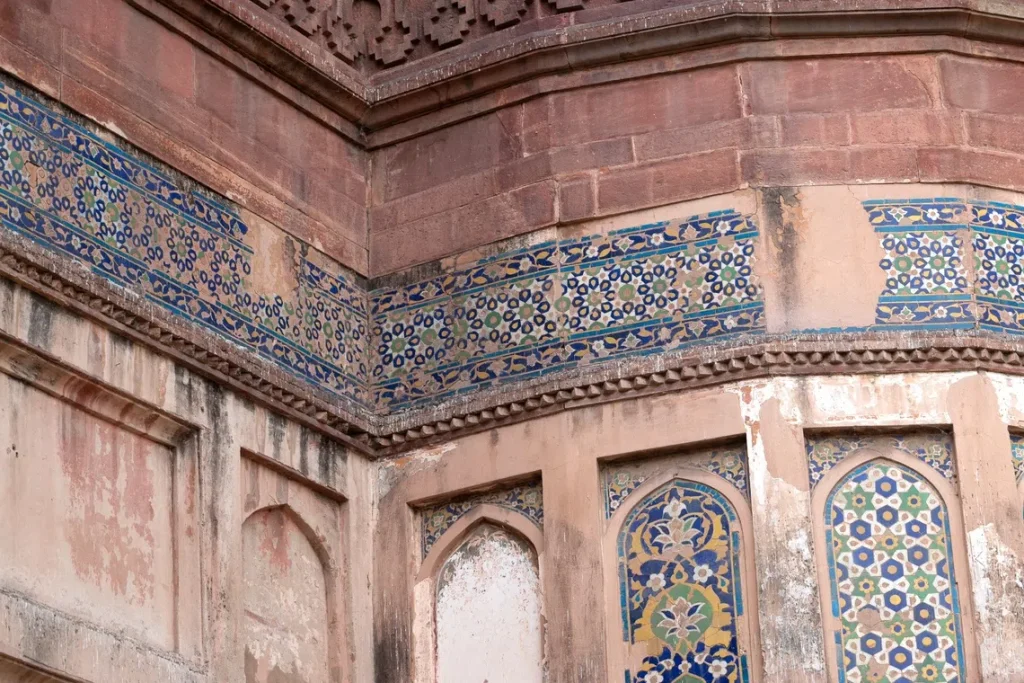
The Panna Meena Ka Kund stepwell features a crisscrossing network of stairs that forms a visually striking geometric pattern—a true masterpiece of ancient water management engineering. The Hawa Mahal (Palace of Winds) is famous for its 953 small windows, designed so that a gentle breeze can be felt from any corner of the palace interior.
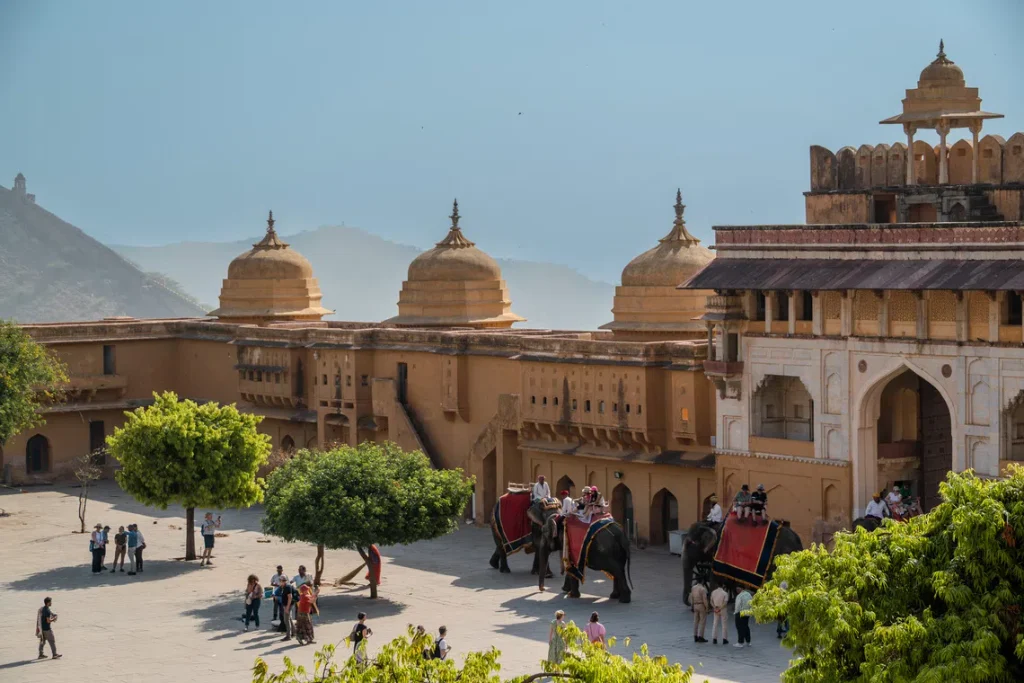
Uttar Pradesh is home to India’s most celebrated monument, the Taj Mahal. Built of pure white marble, its symmetrical Islamic architectural beauty has long drawn travelers from across the globe. Also notable are the Agra Fort and Fatehpur Sikri Fort—famous “Red Forts” that integrate courthouses, mosques, and palace complexes. The Buland Darwaza (Gate of Victory), commissioned by Emperor Akbar to commemorate a military triumph, stands as the tallest triumphal arch in the world.
Each of these North Indian historical sites has borne witness to power struggles between fathers and sons, fratricidal conflicts, religious wars, bloody ethnic clashes, and poignant tales of courtly love. The grievances and entanglements spanning centuries have ultimately settled into relics for people today to explore and commemorate.